
One description of the problem
Explain what you're seeing—leak location, ponding areas, or visible damage—once, then speak directly with a contractor who handles commercial roofs.
Serving Garland, Texas & surrounding areas
Commercial Roofing • Garland, Texas
One call connects you with an experienced local contractor who handles commercial buildings in and around Garland.
CALL NOW: (972) 882-9205Garland commercial roofing covers the systems and details that keep water out of business properties: low-slope membranes, metal panels, flashings, penetrations, drains, and the edge metal that protects roof perimeters. If you're seeing stains on ceiling tiles, ponding water after a storm, loose coping, or recurring leaks around rooftop units, it's usually a sign that the roof needs targeted repair, restoration work, or a full replacement.
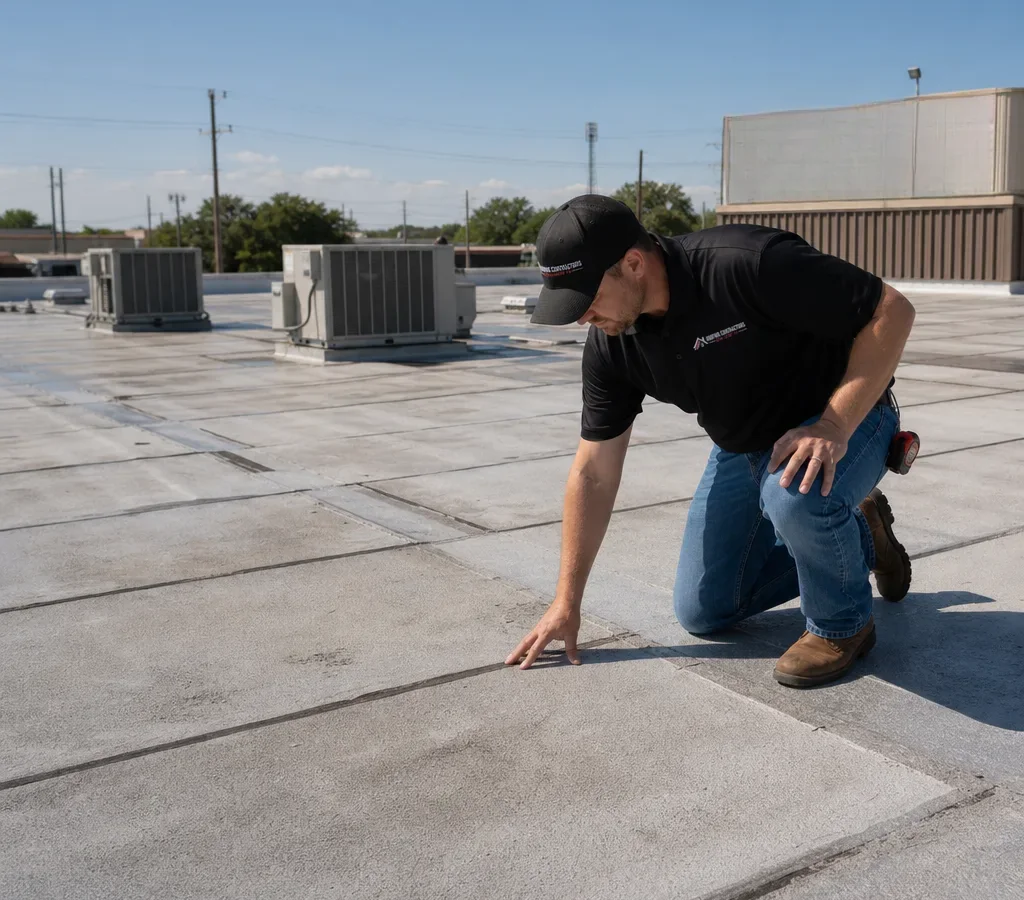
A contractor typically starts by identifying the roof type and how it drains. Many commercial buildings in North Texas have low-slope roofs where water moves slowly to scuppers, interior drains, or gutters. That means small defects at seams, terminations, or penetrations can cause big interior problems because water can travel before it shows up inside.
Common commercial roof systems you may be offered include:
Texas heat and UV exposure can accelerate aging in exposed materials, and hail can damage membranes, metal, flashing, and rooftop accessories. A good assessment looks beyond the obvious leak point and checks how the roof is attached, how the seams are holding, whether water is draining correctly, and whether wet insulation or deck issues are present.
If you want help lining up commercial roofing contractors in Garland without calling around, Roofing Contractors Garland TX runs a phone line that asks for your service and ZIP code, then connects you with a local contractor who can review the roof conditions and discuss next steps. The same call works for houses too, and our main page for Garland roofing companies explains how the matching works.
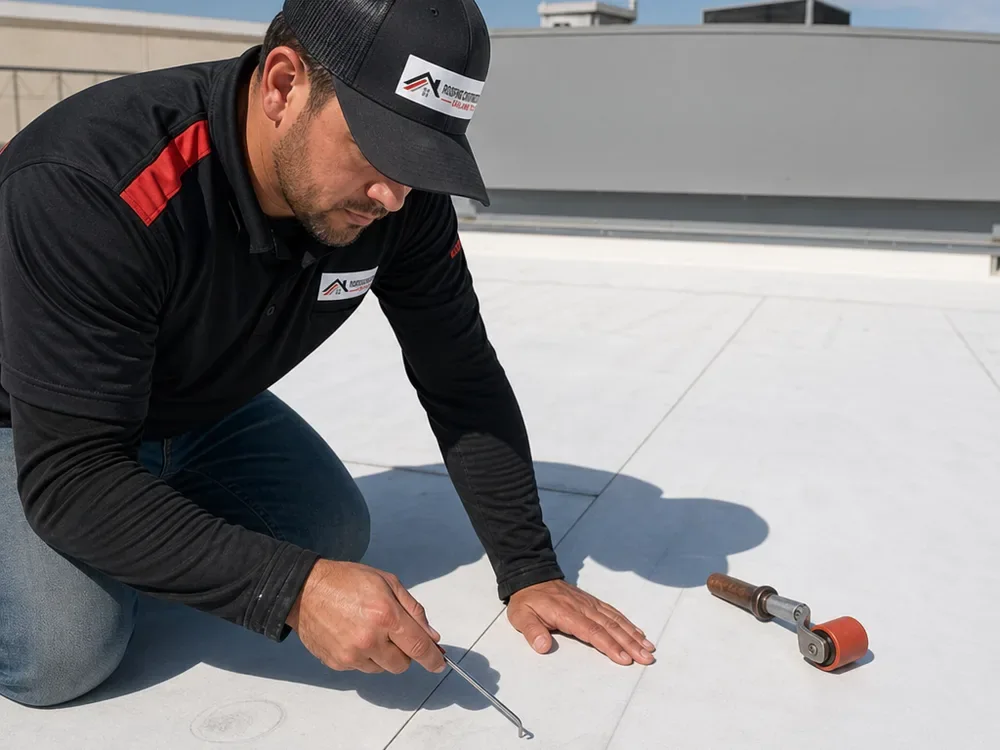
Explain what you're seeing—leak location, ponding areas, or visible damage—once, then speak directly with a contractor who handles commercial roofs.
Commercial buildings vary: single-ply, modified bitumen, metal, and coating systems all diagnose and repair differently.
The contractors we connect you with work in Garland and nearby areas, where hail, wind, and heat shape what fails first on business roofs.
Ask questions, review the contractor's recommendations, and decide whether the scope fits your building and your plans.
A solid first conversation sets up the inspection: access points, roof age, leak timing, rooftop equipment, and any interior impacts.
Once the line connects you, share the roof type if you know it, the number of roof levels, whether there are drains or scuppers, and what triggered the concern—leak, storm damage, aging, or routine planning.
You'll speak with a contractor who handles commercial roofing in the Garland area and can discuss the inspection approach and available options.
Expect questions about access, safety, interior damage, prior repairs, and rooftop units. The contractor may document seam failures, membrane blisters, punctures, wet insulation, or flashing problems.
If the recommendation makes sense, you can move forward with that contractor. If not, you can pause, seek another opinion, or plan the project for later.
Leak disrupting business, or planning a replacement? Talk to a commercial roofer.
CALL NOW: (972) 882-9205
Commercial roofs are priced by the square foot. Published Texas averages put a new TPO membrane roof with insulation at about $7 to $10.50 per square foot installed, depending on the membrane thickness and how it is attached.
Repairs and coatings are priced after an inspection, because drainage, insulation, and what lies under the membrane vary so much from building to building. These are averages published by Roof Observations, not quotes, and the contractor you speak with sets the price.
The right scope depends on how widespread the issues are and whether the assembly under the surface is still sound. A contractor typically looks for repeated leaks in different areas, failing seams, punctures, wet insulation, damaged flashing, and whether drainage problems are chronic; localized defects often point to repair, while widespread deterioration or saturated insulation can push the recommendation toward replacement.
Have the building address, roof access details, and what you're seeing inside and out. It also helps to share the roof type if known—TPO, EPDM, modified bitumen, or metal—the approximate age, where leaks show up, and whether the problem followed a hail or wind event.
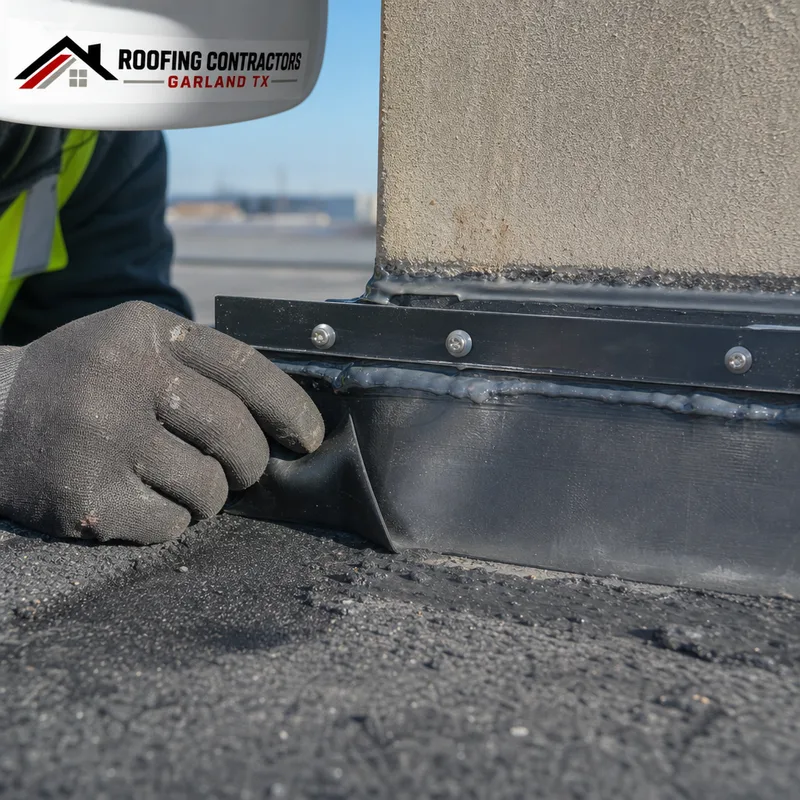
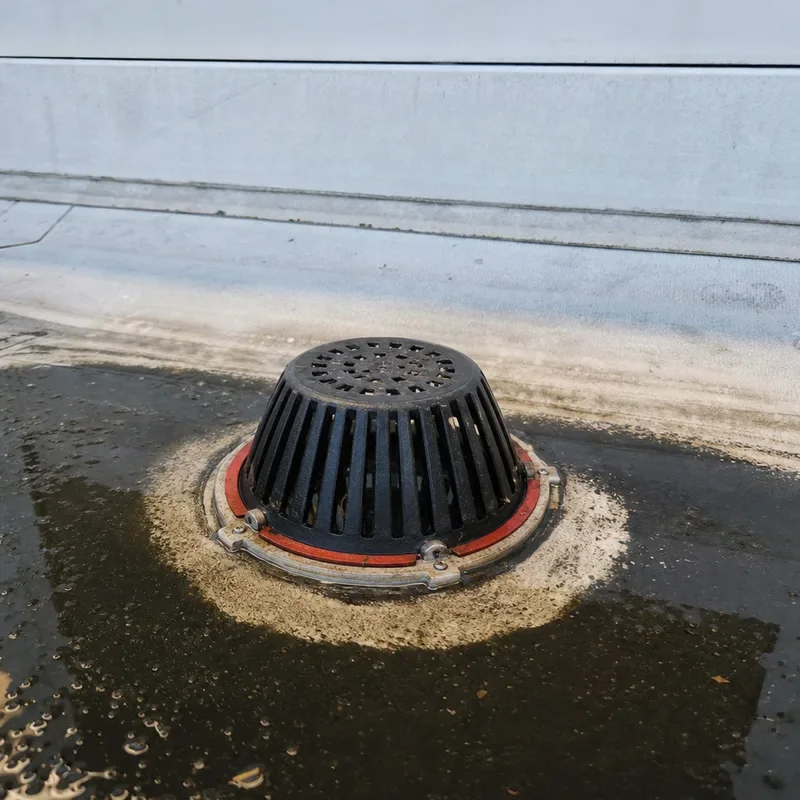
Many leaks start at transitions and interruptions rather than the open field. Contractors often find problems at seam laps, flashing at penetrations such as pipes and HVAC curbs, parapet wall terminations, edge metal details, clogged drains, and areas with repeated foot traffic that can puncture or scuff membranes.
Sometimes a small test cut is used to confirm what's in the roof assembly and whether insulation is wet, but it depends on what the contractor sees. Many issues can be narrowed down by examining seams and flashings, tracing water paths around drains and penetrations, and checking for membrane splits, hail impact, or separation at terminations.
A coating can protect a surface, but it usually does not correct the slope that causes ponding. If water is lingering after storms, the contractor may discuss drainage improvements—clearing or correcting drain issues, adding crickets, or addressing low areas—along with any restoration approach.
Ask what roof system they believe you have, where they expect the leak path to be, and what they will examine first, including seams, penetrations, drains, and edge metal. Also ask what repair or replacement options they see, what disruption to occupants to expect, and what warranty terms apply to the materials and labor for the scope you choose.
You speak directly with the contractor who handles the inspection and any work. The line takes your service choice and ZIP code and connects you with a local pro, and you decide what to do after you've talked through the roof conditions and options with that contractor.
Call Roofing Contractors Garland TX, choose your service, and enter your ZIP code. You'll be connected with an experienced local commercial roofing contractor so you can get clear options and decide what's next.