
Inspect before you file
A roof inspection tells you whether there is real damage. If there is very little, you may decide not to open a claim at all.
Serving Garland, Texas & surrounding areas
Insurance Claim Help • Garland, Texas
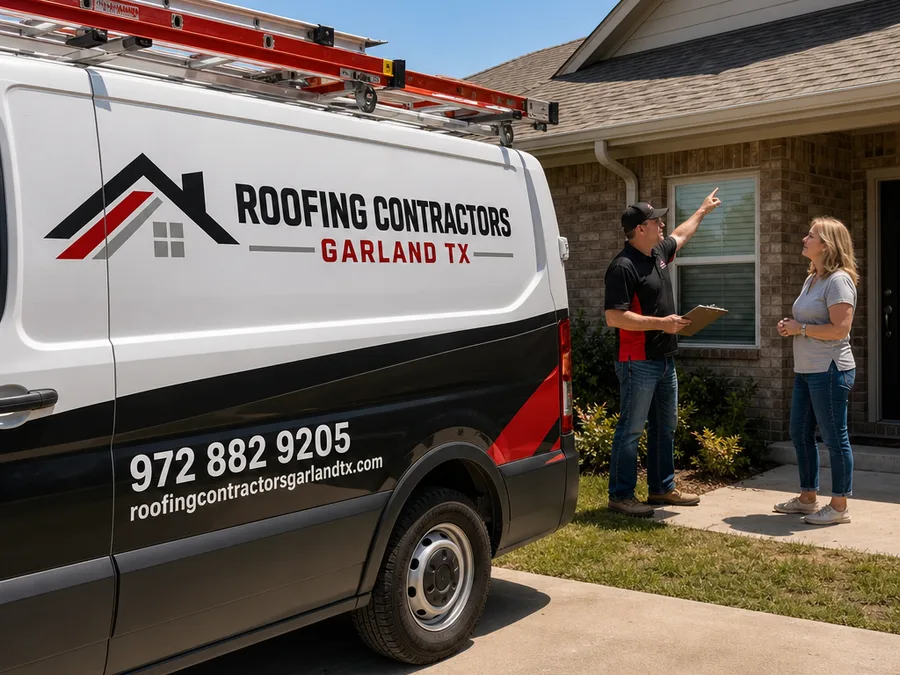
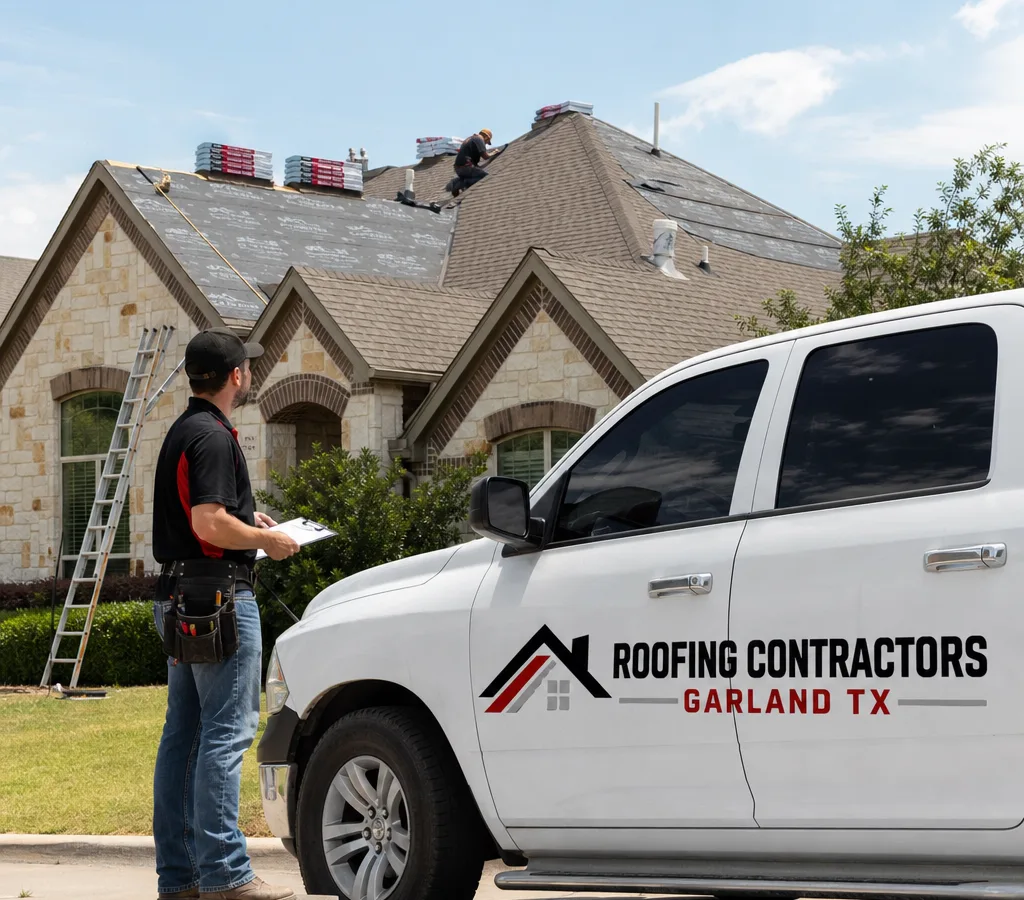
One call connects you with an experienced local roofing contractor who can inspect the roof, document what they find, and be there when the adjuster visits.
CALL NOW: (972) 882-9205After a hailstorm, the roof and the insurance claim become one project in most homeowners' minds. They are two separate things with different people responsible for each, and knowing who does what saves a lot of frustration.
The claim is between you and your insurance company. You file it, the insurer sends an adjuster, and the insurer decides what is covered. The contractor's part is the roof: inspecting it, documenting the damage with photos and measurements, writing a scope of repair, and doing the work.
Texas law draws a clear line here. A roofing contractor cannot negotiate or settle your claim for you. That work is reserved for licensed public adjusters and attorneys. A contractor also cannot offer to waive, pay, or absorb your deductible. Be careful with anyone who offers either one.
We are a referral service. We connect you by phone with independent roofers in Garland whom homeowners can speak with directly. We are not an insurer or an adjuster, and nothing on this page is legal or insurance advice. For questions about your rights on a claim, the Texas Department of Insurance has a consumer help line.
A roof inspection tells you whether there is real damage. If there is very little, you may decide not to open a claim at all.
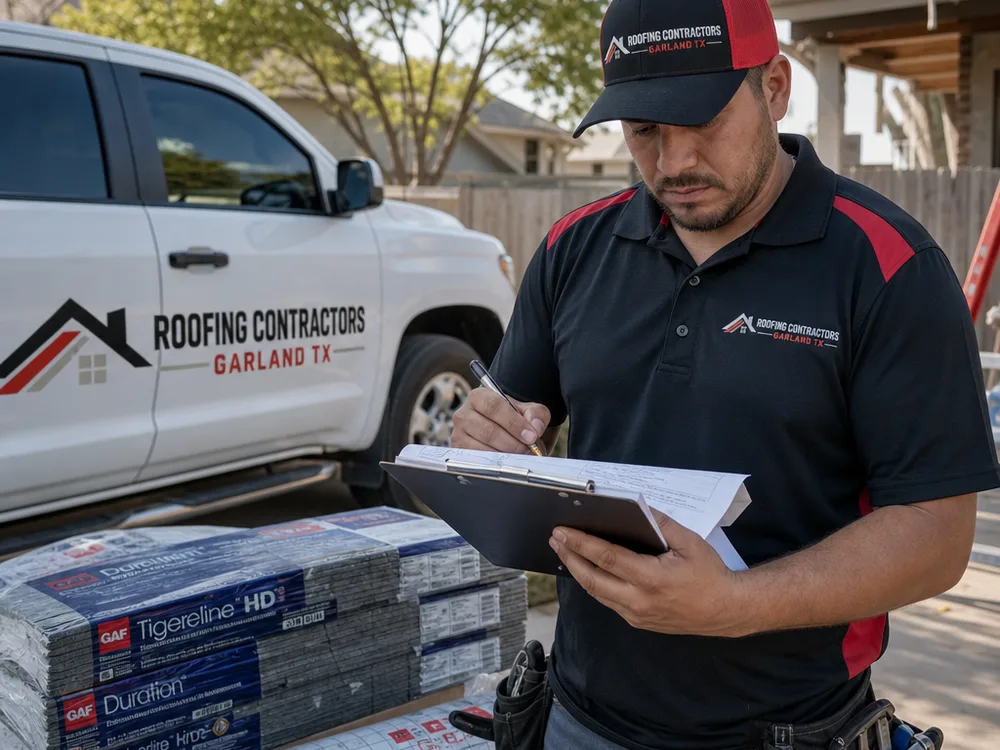
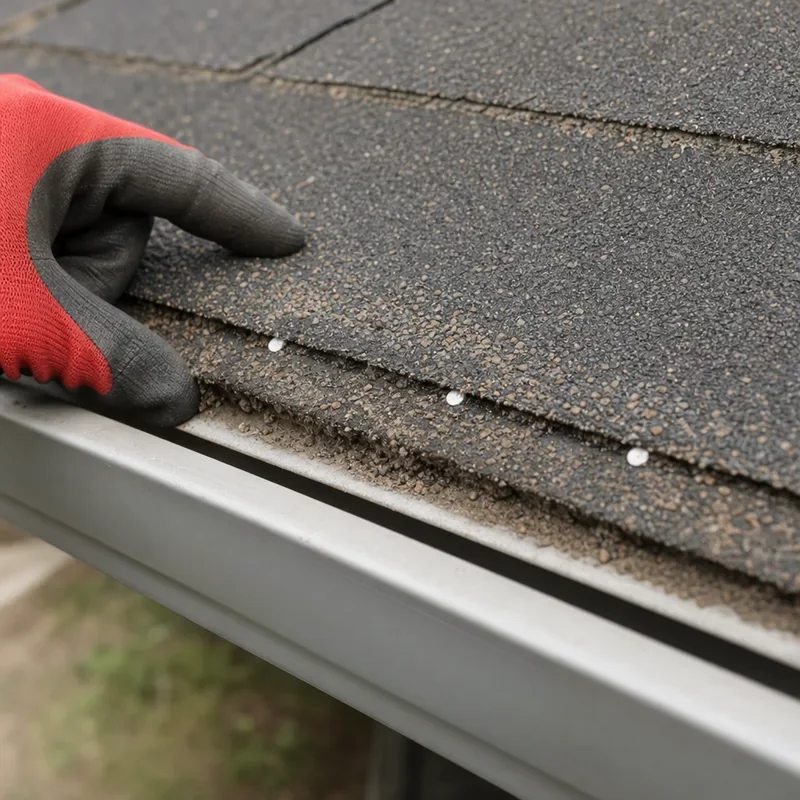
Dated photos of every slope, the soft metals, and the attic give you a record that does not depend on anyone's memory.
A written scope lists what needs to be repaired or replaced, so you can compare it line by line with the insurer's estimate.
Many contractors will meet the adjuster at the house and point out what they found. They can explain the roof. They cannot argue the claim for you.
Once you decide to go ahead, the contractor completes the repair or the full roof replacement and gives you the paperwork your insurer asks for.
If the roof is open or leaking, get it covered and keep the receipts. See emergency roof repair.
Have a contractor confirm and photograph the damage. Our page on storm and hail damage repair explains what they look for.
Report the loss with the storm date. Your policy sets deadlines for reporting, so do not let it sit.
The adjuster inspects and writes an estimate. Ask your contractor whether they can be there.
Compare the insurer's estimate with the contractor's scope, raise any gaps with your insurer, then schedule the work. A re-roof may need a permit, covered in our roof permit guide.
Storm damage and a claim to file? Have a local roofer document it first.
CALL NOW: (972) 882-9205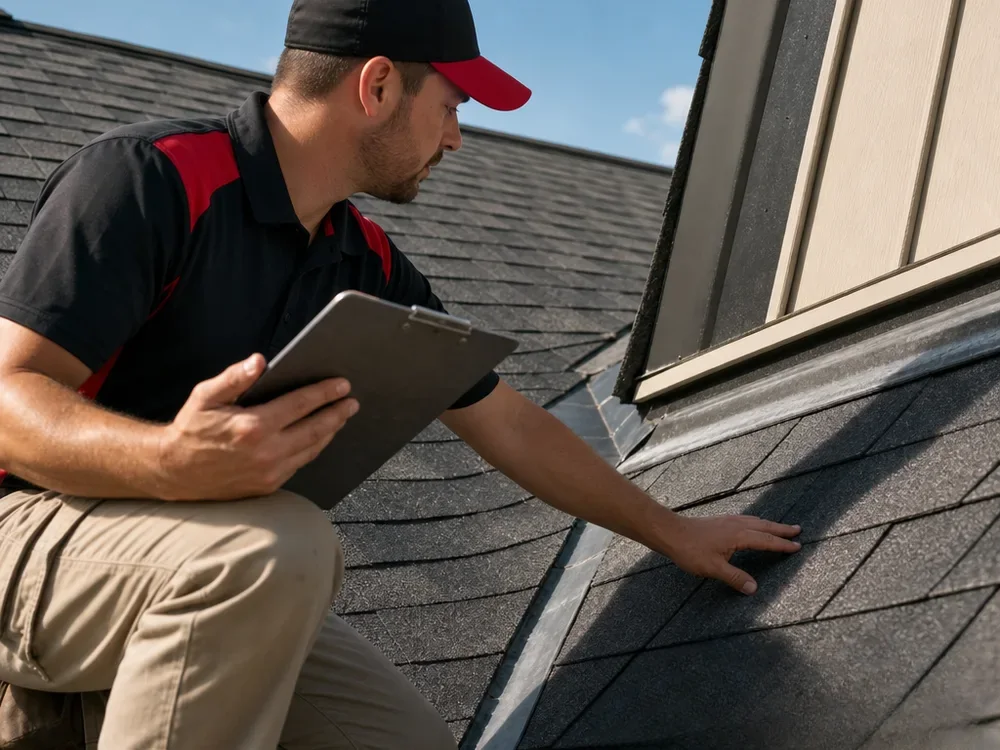
Either order works. Many homeowners have a contractor look first so they know whether the damage is worth a claim. If the roof is leaking, protect the house first and report the loss promptly.
No. In Texas it is illegal for a contractor to waive, rebate, or absorb an insurance deductible, and your insurer can ask for proof that you paid it. Expect to pay your deductible.
No. A contractor can share photos, measurements, and their scope of work, and can meet the adjuster. Negotiating or settling the claim is limited to you, a licensed public adjuster, or an attorney.
It depends on your policy. Many policies set a deadline for reporting storm damage, so check yours or ask your agent soon after the storm.
Ask the insurer to explain the difference and send them the contractor's photos and scope. If you still disagree, the Texas Department of Insurance explains your options, including appraisal and filing a complaint.
No. We are a referral service that connects you by phone with independent local roofing contractors. We are not an insurance company, adjuster, or law firm.
Call, choose your service, and enter your ZIP code. You'll be connected with an experienced local roofing contractor who can inspect and document the damage.