
Clean lines, fewer exposed fasteners
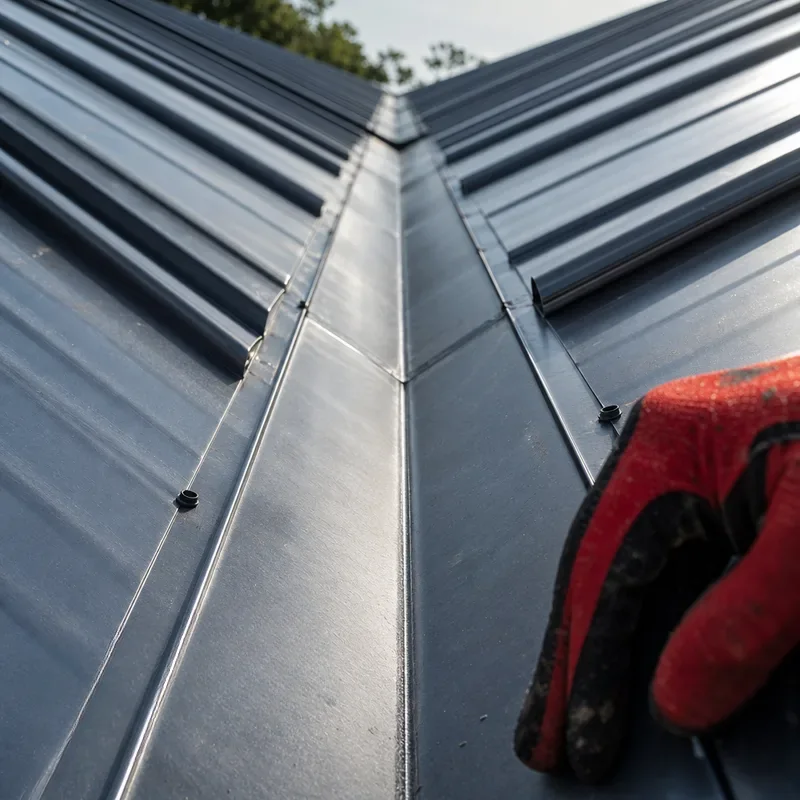
Standing seam profiles hide most attachment points, which reduces the number of places water can work in compared with exposed-fastener panels.
Serving Garland, Texas & surrounding areas
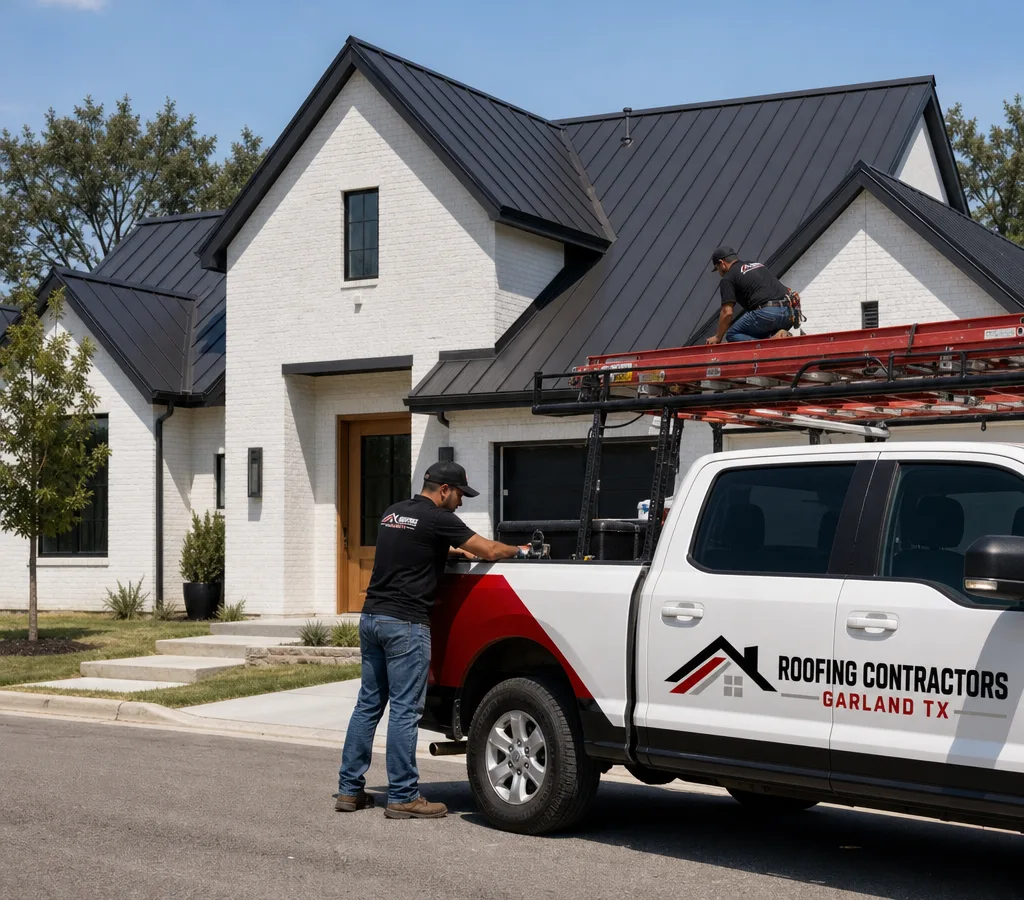
Metal Roofing • Garland, Texas
One call connects you with an experienced local contractor who installs and replaces metal roofing in Garland.
CALL NOW: (972) 882-9205A metal roof project in Garland is usually either a full replacement (reroof) or a new installation on a new build or addition. Either way, the core of the work is the same: create a dry, well-vented roof system and then install the metal panels and trim so water sheds cleanly at every edge and penetration.
When you call Roofing Contractors Garland TX, you choose the service you need and enter your ZIP code, and the line connects you with a local contractor who handles metal roofing. You then speak directly with the contractor about the job, your options, and next steps. Our main page explains how one call reaches a local Garland roofing company that homeowners can talk to directly.
Most metal roofing installs start with a site check that focuses on:
A contractor may propose a tear-off down to the decking, or in some cases install over an existing roof if the structure, code requirements, and roof conditions allow. For many homeowners, the decision comes down to what the inspection shows and how much risk you want to carry forward under a new metal surface.
If you're still comparing roofing types overall, it can help to talk through the tradeoffs with Roofing Contractors before you commit to a material.
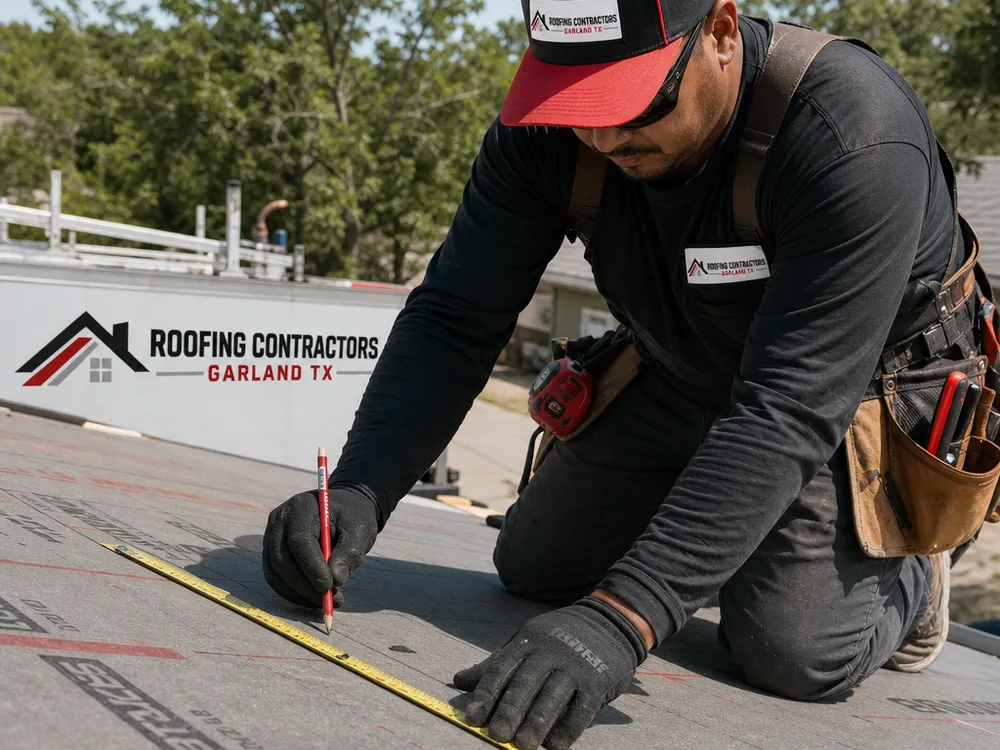
Standing seam profiles hide most attachment points, which reduces the number of places water can work in compared with exposed-fastener panels.
Contractors may discuss standing seam, corrugated panels, metal shingles, and coatings or colors that work with your home's style and sun exposure.
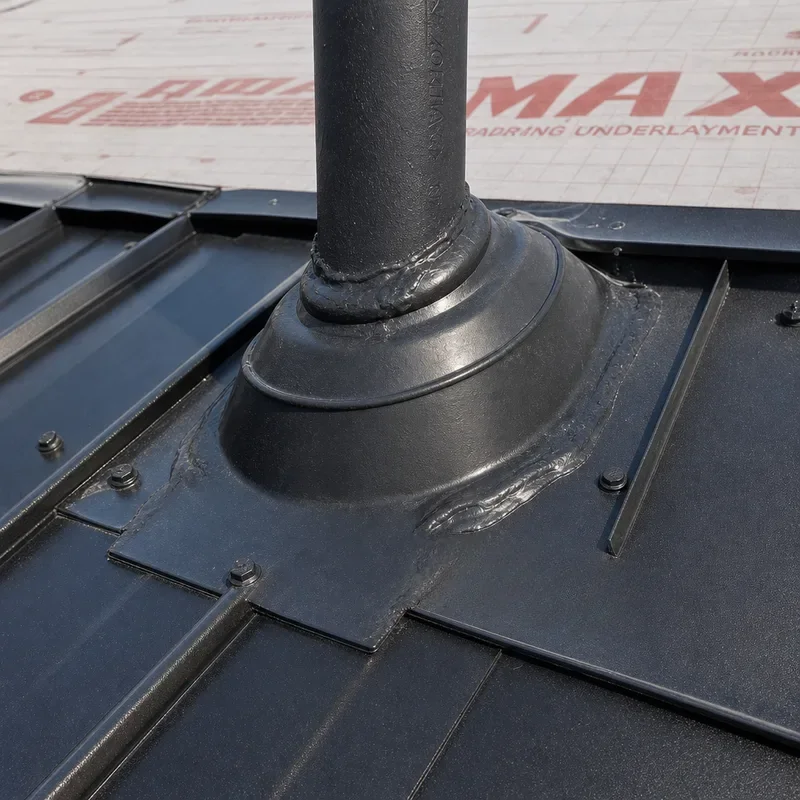
Trim, closures, sealants, and flashing at walls, valleys, and penetrations are where leaks start. A good plan for these areas is part of a real metal roof bid.
Panel gauge, clip spacing, underlayment type, and edge metal attachment all affect how a roof holds up when storms push water and wind against the details.
Instead of calling around, call, choose your service, and enter your ZIP code to get connected with a local contractor who can evaluate metal roofing for your structure.
The line connects you with a contractor who works on Garland metal roofs. You then describe the home or building, what you're seeing—leaks, rusted panels, hail marks, or aging shingles you want to replace—and the look you want.
The contractor checks the deck, edges, penetrations, attic ventilation, and drainage paths, then measures for panel layout and trim. This is also when they flag wood replacement or ventilation changes that may be needed.
You'll decide on profile, color or finish, underlayment approach, and how transitions will be handled at valleys, walls, skylights, and pipe boots.
Old roofing is removed or prepared, the underlayment and flashing package is installed, then panels, ridge caps, and edge metal go on. The contractor should walk you through the finished roof and discuss care and warranty terms.
Thinking about a metal roof? Ask a local roofer what fits your home.
CALL NOW: (972) 882-9205
Once the line connects you, share the roof type, current condition, layout, and the result you want.
We connect you with an independent contractor who serves Garland and works on metal roofing systems.
Ask the contractor about panel profiles, underlayment, flashing, ventilation, and installation approach, then decide whether the proposed direction fits your roof.
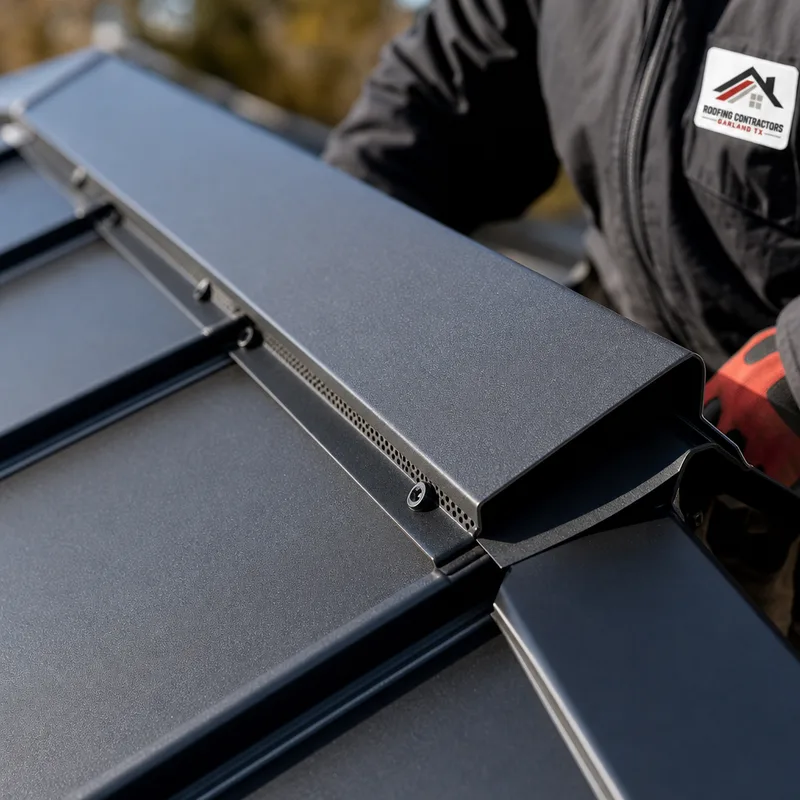
A standing seam metal roof is built from long, continuous panels that lock together at raised seams. The fasteners sit under the seams instead of on the face of the panel, which is why homeowners choose it for a cleaner look and fewer exposed penetration points.
Contractors usually describe the systems in practical terms:
Metal panels expand and contract with temperature. A standing seam roof plans for that movement with clips, seam design, and matching accessory details, and it is only as good as its terminations at the eaves, valleys, walls, penetrations, and ridge.
In Texas, exposed-fastener metal panels typically cost about $7 to $13 per square foot installed, and standing seam about $9 to $16. On an average Dallas-Fort Worth home, a standing seam roof usually totals $18,000 to $30,000 or more.
Dallas-area quotes tend to run 5 to 15 percent above rural parts of the state. These are typical ranges from published cost guides, including RoofVista and LatestCost, not quotes, and the contractor you speak with sets the price after seeing the roof.
If leaks trace back to seams, penetrations, edge metal, or loose fasteners, repairs may be possible, but widespread corrosion, repeated leak points, or underlying deck problems often push the job toward replacement. The contractor you're connected with will inspect the field panels and, just as important, the flashing package around valleys, walls, vents, and transitions.
Standing seam panels lock together and typically conceal most fasteners, while exposed-fastener panels are screwed through the panel face with gasketed fasteners. Many homeowners choose standing seam for appearance and reduced exposed penetrations, but the contractor will also look at roof slope, panel length, layout, and details before recommending a system.
Sometimes, but it depends on the roof structure, local requirements, and whether the existing roof is flat, uneven, or hiding damage. A contractor may recommend tear-off if the deck needs repairs, if you have multiple layers, or if the roof plane needs to be brought back into true before metal panels go on.
Start with the roof type, approximate age, and whether there are current leaks or storm damage. Mention the roof shape, penetrations such as skylights, and whether you want a specific look such as standing seam. That gives the contractor enough to tell you whether a metal roof suits the building.
They usually start with safety and access, then check the decking and the details that commonly fail: pipe boots, wall flashing, valleys, ridge or hip caps, and gutter edges. In North Texas, they also pay attention to attic ventilation and underlayment choices because heat and heavy rain can expose weak points quickly.
Noise depends more on the roof assembly than the metal itself. Solid decking, correct underlayment, insulation, and attic space reduce sound transmission, while open framing or some retrofit conditions can make rain more noticeable. The contractor can explain how your current roof structure affects sound and what build-up options are realistic.
A full metal roof installation is typically a multi-day job because prep work and detail work take time, especially around valleys and penetrations. Weather, roof complexity, and the amount of deck repair needed can extend the schedule, and the contractor will tell you what to expect for your specific roof.
The roof slope determines which standing seam profile and seam method are acceptable for water-shedding. When you describe your roof style—steep, moderate, or low-slope areas—the contractor can advise whether snap-lock is appropriate or whether a mechanically seamed system and specific underlayment details are a better fit.
Leaks most often trace back to penetrations such as pipe boots, vents, and HVAC curbs, wall transitions, valley details, and terminations at eaves and rakes rather than the panel field itself. Tell the contractor where you see staining or dripping inside, and whether it happens during wind-driven rain, because that helps narrow the likely entry point.
Those items are often discussed because they tie directly into water management and flashing details. The contractor you speak with can tell you what can be reused, what should be replaced during the roofing work, and how the roof terminations will be handled around gutters, ridge venting, and existing penetrations.
Call Roofing Contractors Garland TX, choose your service, and enter your ZIP code, and you'll be connected with an experienced local contractor who works on metal roofing so you can ask questions and decide what to do next.