
Tear-off and deck check
Old shingles are removed so the roof deck can be inspected for soft spots, rot, or nail fatigue before new layers go on.
Serving Garland, Texas & surrounding areas
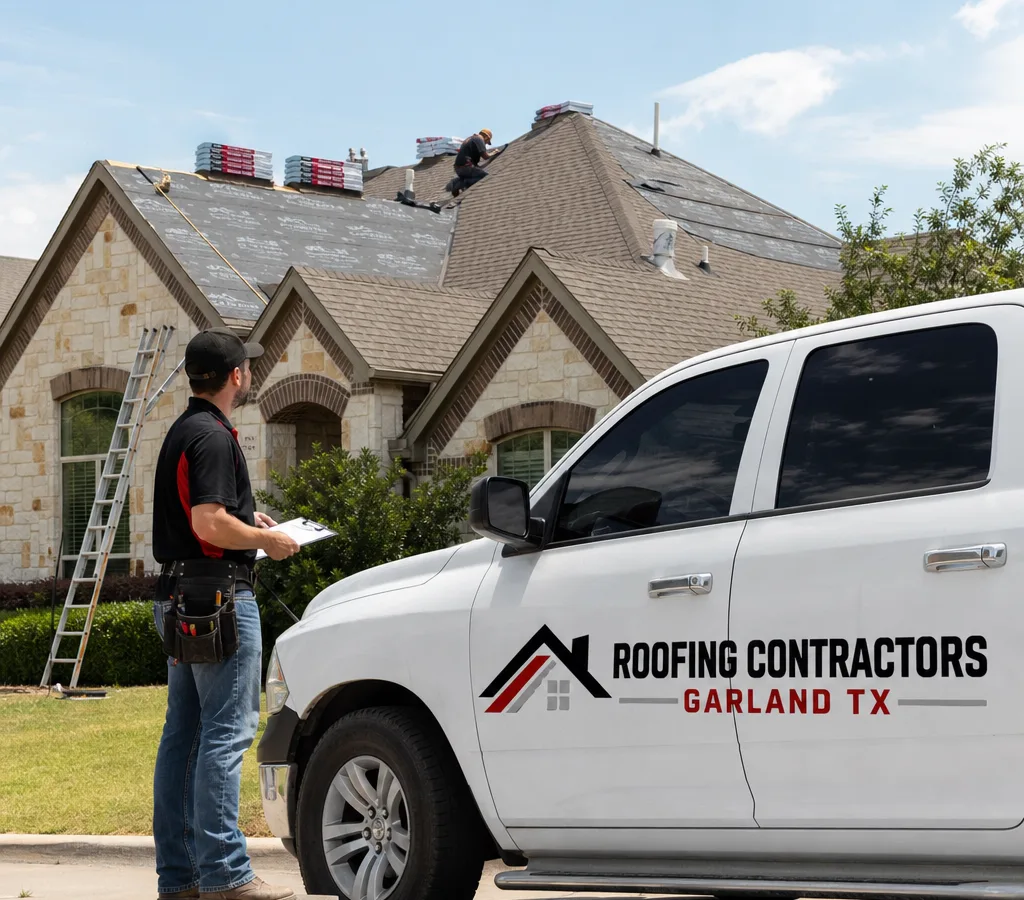
Roof Replacement • Garland, Texas
One call connects you with an experienced local contractor who handles full roof tear-off and re-roofing.
CALL NOW: (972) 882-9205Garland roof replacement is usually the right move when the roof is worn across large areas, has repeated leaks, or has storm damage spread over multiple slopes. A repair can handle an isolated issue. Replacement addresses the whole system: shingles, underlayment, flashings, and the roof deck condition beneath.
Homeowners around Garland often start looking into a new roof after:
A contractor will typically begin with a roof walk when safe, an attic check, and a look at the home's ventilation and drainage. That early inspection matters because some leaks that look like bad shingles are actually tied to flashing at chimneys, plumbing vents, skylights, or wall-to-roof transitions.
Our Garland referral service runs a phone line that asks which service you need and your ZIP code, then connects you with a local roofer who handles roof replacement in Garland.
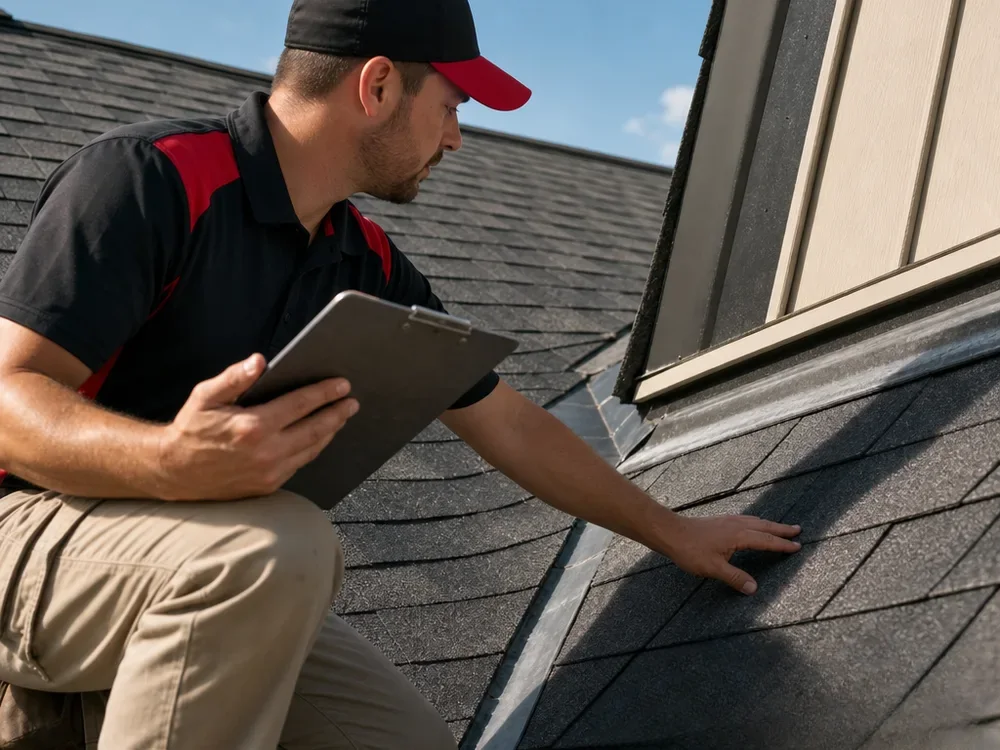
Old shingles are removed so the roof deck can be inspected for soft spots, rot, or nail fatigue before new layers go on.
New underlayment is installed, with extra attention at eaves, valleys, and other leak-prone areas where water can back up or run hard.
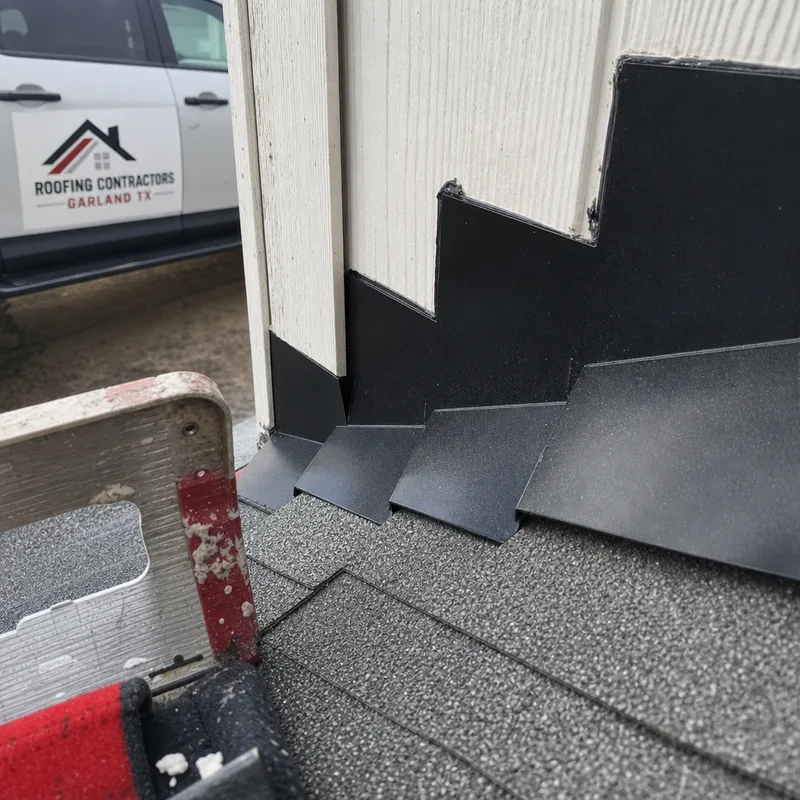
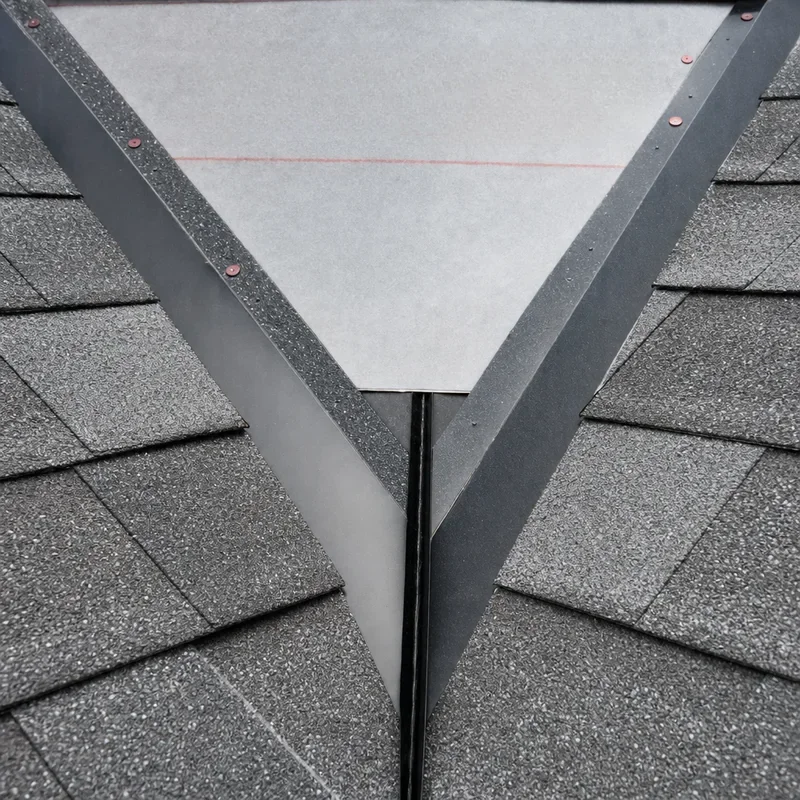
Flashing keeps water out at chimneys, vents, step walls, and valleys. A replacement plan accounts for these transitions, not only the shingle field.
A contractor may check intake and exhaust ventilation so heat and moisture are managed in the attic, which affects shingle life and indoor comfort.
Tear-off creates nails and scraps. Expect a plan for protecting landscaping, keeping walkways usable, and conducting final magnetic sweeps around the home.
Once the line connects you, share the roof type, the home's age if you know it, where leaks show up, and whether there was a recent wind or hail event.
The contractor looks at slopes, penetrations, valleys, gutters, drip edge, attic conditions, and decking concerns to define the scope and material options.
You'll discuss shingle style and color, underlayment choices, ventilation adjustments, and how the crew will protect property during tear-off.
The old roof is removed, the deck is addressed as needed, then underlayment, flashings, and the new roofing system are installed in sequence.
The contractor walks the roof and grounds with you, confirms venting and flashing details, and explains warranty terms and maintenance points.
Repair or replace? Talk it through with a local roofer.
CALL NOW: (972) 882-9205

A full roof replacement in the Dallas-Fort Worth area typically costs about $8,000 to $18,000. Architectural shingles on an average home usually fall around $10,000 to $14,000. Impact-resistant Class 4 shingles add roughly $1,500 to $3,000, and standing seam metal starts around $18,000.
Size, pitch, the number of layers to tear off, and any decking that has to be replaced all move the price. These are typical ranges from published cost guides, including Angi and RoofVista, not quotes. Prices in the Dallas area tend to run toward the higher end, and the contractor you speak with sets the price after seeing the roof.
Replacement is more likely when wear or damage is widespread across multiple slopes or details keep leaking after prior fixes. A contractor will look for patterns: repeated leaks in different areas, broad shingle deterioration, compromised flashings at several penetrations, or decking issues that can't be addressed through a small repair.
The most helpful details are the roof type, the approximate age of the roof if known, the number of stories, where leaks show up inside, and whether there was a recent hail or wind event. Photos from the ground and any attic photos of staining can also help the contractor understand what to check first.
Decking replacement depends on what's found after tear-off. The contractor typically checks for soft spots, rot around penetrations, and areas where nails no longer hold well; any needed deck repairs are addressed before underlayment and shingles go down.
Leaks often trace back to roof transitions rather than the open shingle field: valleys, step flashing along walls, chimney flashing, plumbing vent boots, and skylight curbs. Wind-driven rain can expose weaknesses at these details even if the shingles look mostly intact from the ground.
A full reroof is commonly a multi-day job, depending on roof size, pitch, layers to remove, and whether decking repairs are needed. Weather can also affect progress because tear-off and underlayment installation need dry windows to avoid trapping moisture.
Ask how the contractor evaluates intake and exhaust ventilation and what changes they recommend for your roof design. In North Texas heat, balanced attic ventilation can matter for moisture control and for how the roof system performs over time.
Permit requirements can vary by job scope and local rules. The contractor you speak with can tell you whether a permit applies for your replacement and who will pull it, based on the details of your home and the work being proposed.
You call, choose your service, and enter your ZIP code, and the line connects you with a local contractor who handles roof replacement. You speak with the contractor directly, review their recommendations and warranty terms, and decide whether to move forward.
Call, choose your service, and enter your ZIP code. You'll be connected with an experienced local Garland-area contractor who can evaluate your roof and explain the next steps.