
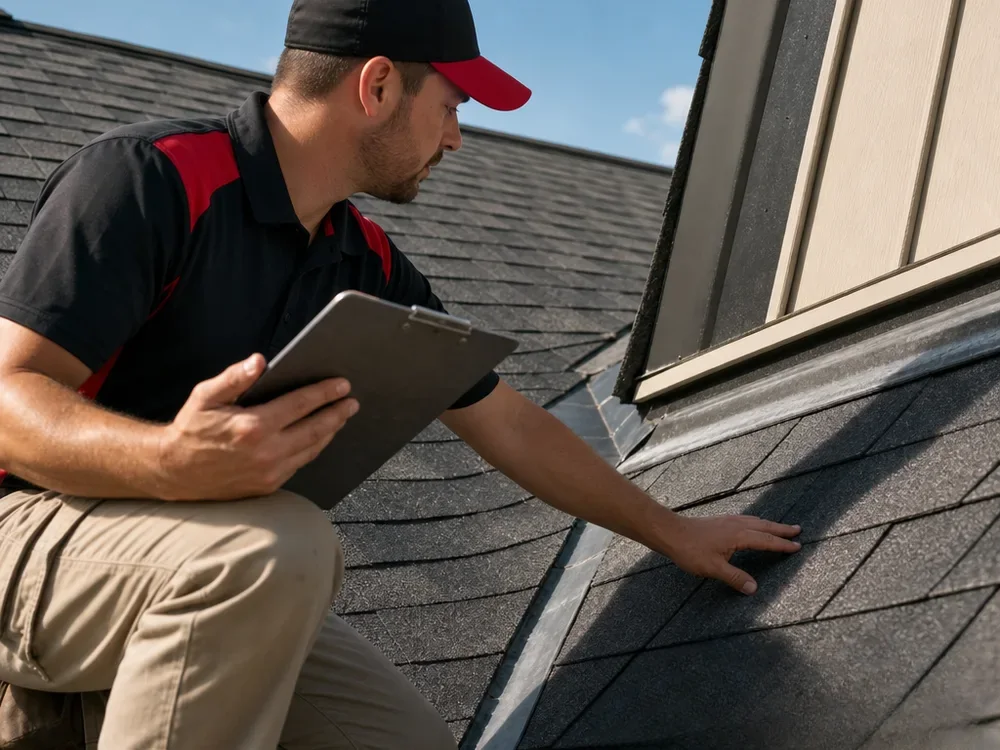
Bruised or fractured shingles
Hail hits leave soft spots where the mat underneath is broken. They are found by touch as much as by sight, which is why a ground-level look often misses them.
Serving Garland, Texas & surrounding areas
Storm & Hail Damage • Garland, Texas
One call connects you with an experienced local roofing contractor who can inspect the roof, document the damage, and explain your repair options.
CALL NOW: (972) 882-9205North Texas sits in one of the most hail-prone parts of the country, and Garland gets its share most springs. A storm that lasts ten minutes can leave damage that is easy to miss from the driveway: bruised shingles, knocked-off granules, dented vents, and cracked pipe boots that only start leaking weeks later.
Wind does a different kind of damage. It lifts shingle edges, breaks the seal strip that holds them down, and peels back ridge caps and flashing. A roof can look complete from the ground and still have rows of shingles that are no longer sealed.
Roofing Contractors Garland TX is a referral service. You call, choose your service, and enter your ZIP code, and the line connects you with an independent local contractor who handles storm damage roof repair in Garland. If you are not sure which kind of help you need, our main page for Garland roofers explains how the connection works.
From there the contractor inspects the roof and tells you what they found. Sometimes that is a handful of shingles and a new pipe boot. Sometimes the damage is spread across every slope and the conversation turns to Garland roof replacement instead of a patch.
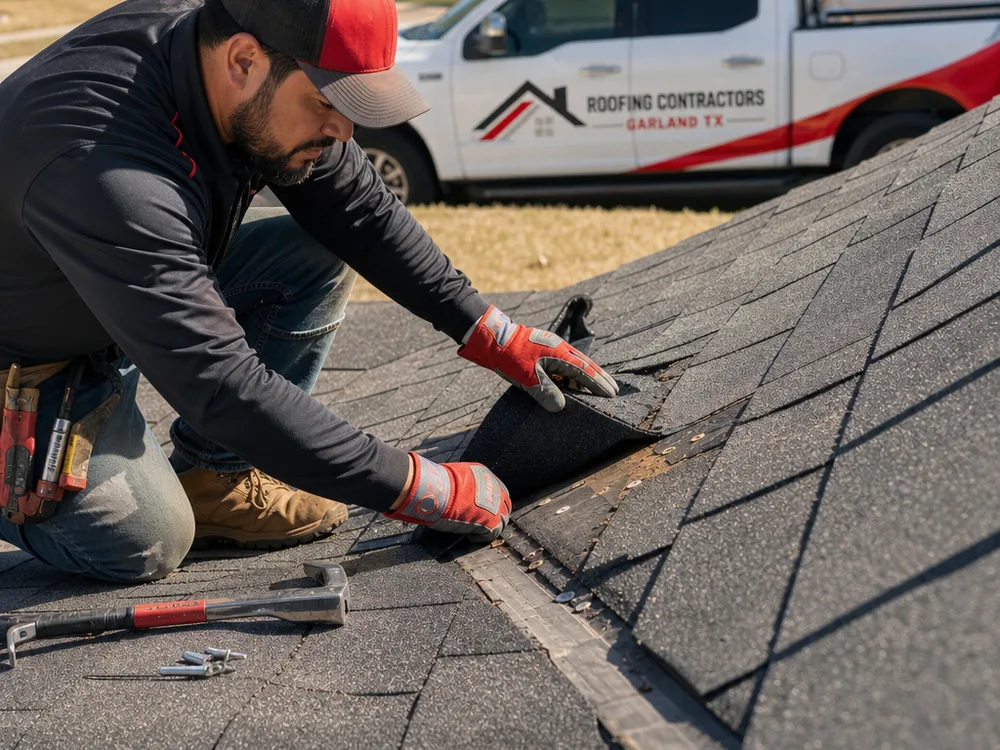
Hail hits leave soft spots where the mat underneath is broken. They are found by touch as much as by sight, which is why a ground-level look often misses them.
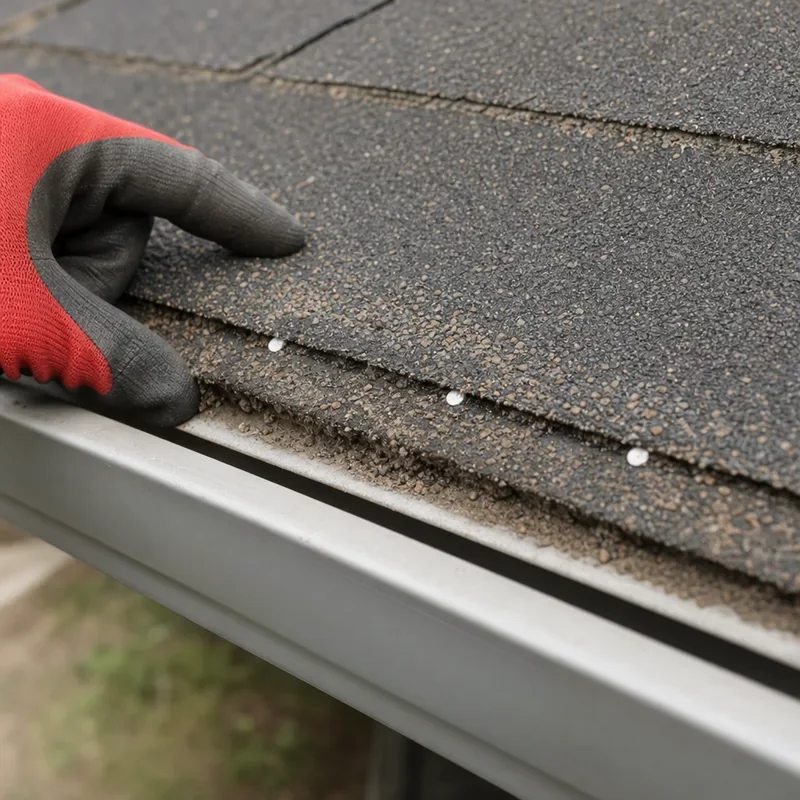
Granules protect the asphalt from sun. Fresh piles at the downspouts or bare dark patches on the shingles mean the surface took a beating.
Wind bends shingles back until they crease. A creased shingle has lost its seal and tends to tear off in the next storm.
Vents, flashing, gutters, and pipe boots show hail size and direction. Soft metal dents are also useful evidence when damage is being documented.
Wet decking, daylight at penetrations, and damp insulation confirm whether water is already getting in.
If water is coming in now, tell the roofer as soon as you are connected. That is an emergency roof repair situation and tarping comes before anything else.
Once the line connects you, give the roofer the date of the storm if you know it, what you can see from the ground, and any leaks or ceiling stains that appeared afterward.
The contractor checks every slope, the soft metals, and the attic when it is accessible. A dedicated roof inspection is the right first step when you are not sure there is damage at all.
You should get photos and a description of what needs repair. Those records matter if you decide to file with your insurer, and our roof insurance claim help page covers what a contractor can and cannot do there.
Limited damage is repaired in place. Widespread damage usually means a re-roof, which may involve City of Garland roofing permits.
Hail last night? Shingles in the yard? Get a local roofer on the phone.
CALL NOW: (972) 882-9205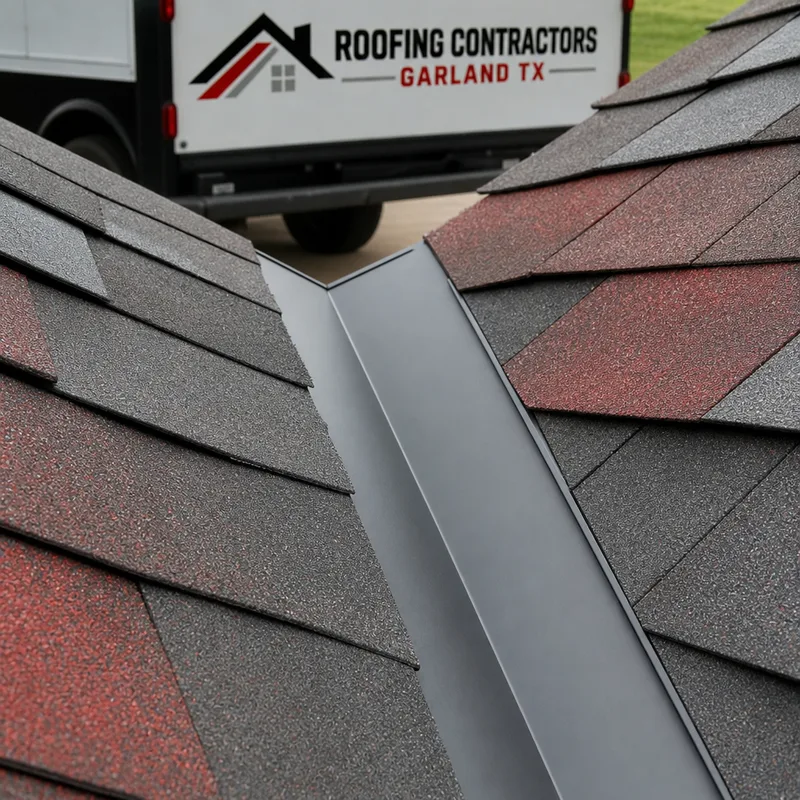
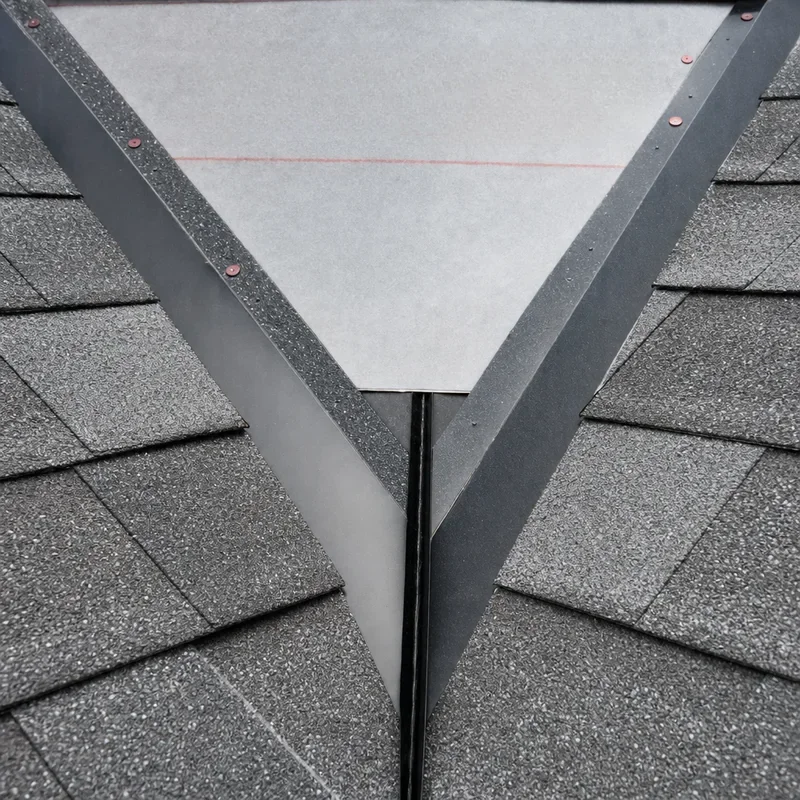
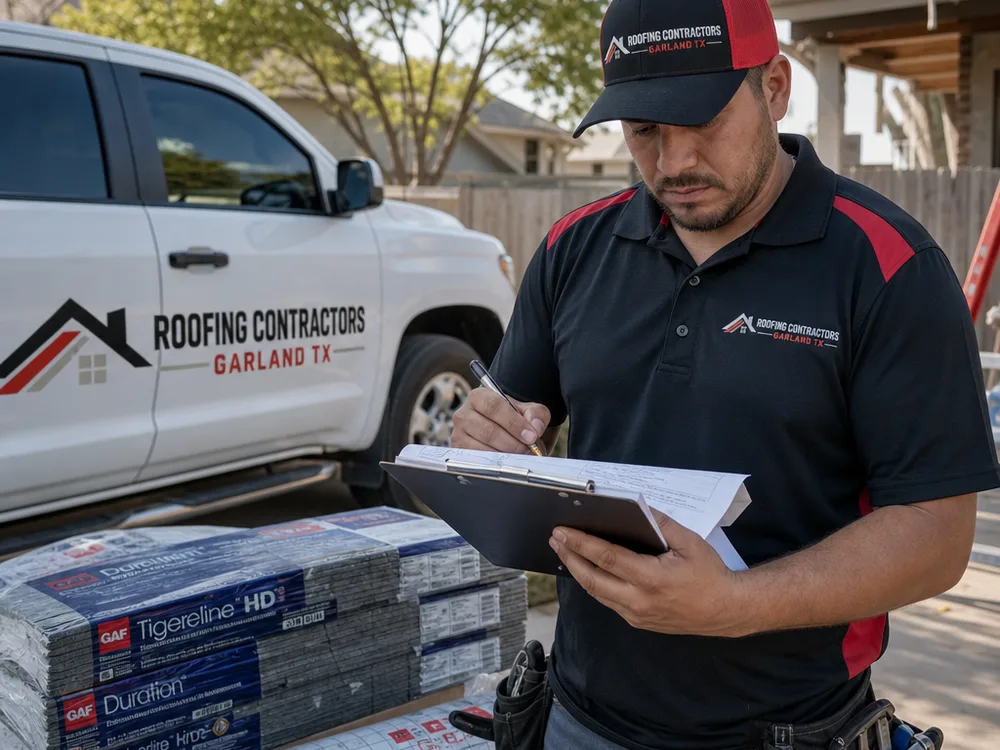
Storm repairs are priced like any other roof work: about $300 to $2,500 for most repairs in Texas, and about $8,000 to $18,000 for a full replacement in the Dallas-Fort Worth area.
What you pay yourself usually depends on your insurance. Wind and hail deductibles in Texas are often 1 to 2 percent of the home's insured value, so a repair that costs less than the deductible is paid out of pocket.
These are typical ranges from published cost guides, including Angi and RoofVista, not quotes. Prices in the Dallas area tend to run toward the higher end, and the contractor you speak with sets the price after seeing the roof.
From the ground, look for dented gutters and downspouts, dings on metal vents, granules at the downspout outlets, and shingles or ridge caps in the yard. Roof-level damage such as bruised shingles needs a contractor to confirm. Please do not climb on the roof yourself after a storm.
Yes, if the storm was strong enough to dent metal or strip leaves from trees. Hail damage often does not leak right away. The broken spots wear faster in the sun and show up as leaks months later.
It depends on how much of the roof is affected and how old the shingles are. Damage limited to one slope or a few shingles is often repaired. When hits are spread across every slope, replacement is usually the conversation.
Metal usually sheds hail without leaking, though large stones can dent panels. If you are thinking about changing materials after a storm, see our pages on a Garland metal roof and on Garland standing seam roofing.
Shingles rated Class 4 under the UL 2218 test are built to take larger hail without cracking. Some Texas insurers give a premium discount for them, so ask your agent before you choose a shingle.
No. We are a referral service. We connect you by phone with an independent local roofing contractor, and you deal with that contractor directly on inspection, scope, and price.
Call, choose your service, and enter your ZIP code. You'll be connected with an experienced local roofing contractor who can inspect the roof and explain what it needs.